How to Prevent and Fix Glycerin Rivers in Cold Process Soap
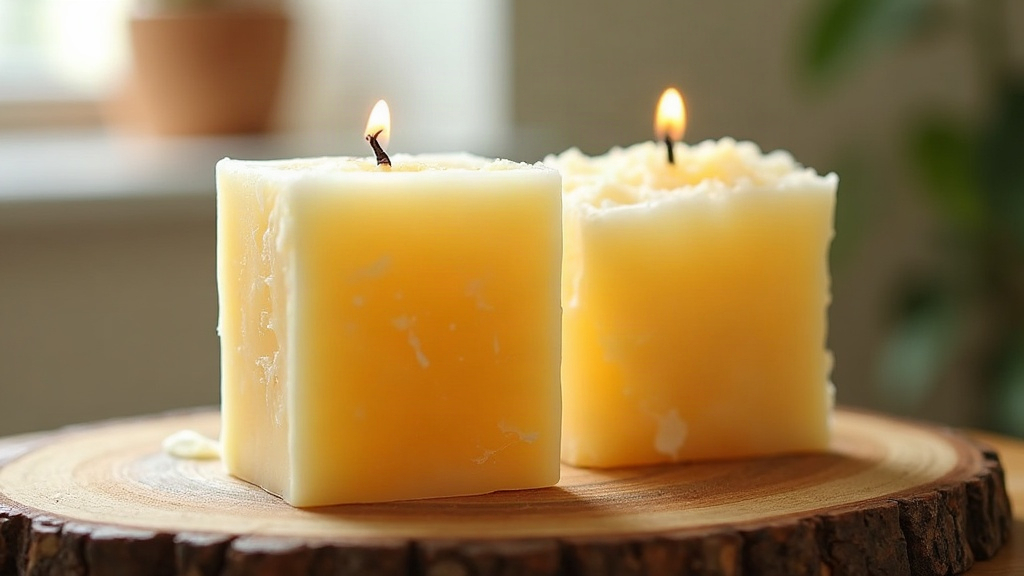
Glycerin rivers are those translucent, often orange or amber streaks you sometimes find running through a bar of cold process soap after it’s gone through gel phase. They won’t hurt the soap, the lather is fine, the bar is perfectly safe to use. But if you were going for a clean, uniform look (especially with colorants, mica swirls, or soft pastel designs), rivers can feel like they ruined the whole batch. Here’s the good news: once you understand what’s actually causing them, they’re almost always avoidable. And a water discount is one of the most reliable tools you have for stopping them before they ever show up.
What Exactly Are Glycerin Rivers?
Glycerin is a natural byproduct of saponification, the chemical reaction between your oils and lye. During gel phase, when the soap batter heats internally to somewhere around 150-180°F (65-82°C), glycerin turns more fluid and can shift unevenly through the bar. As the soap cools back down, that glycerin hardens into translucent streaks that stand out visually against the more opaque soap around them.
You’ll see glycerin rivers most often in:
- Soaps with titanium dioxide or white colorants (the contrast just makes them pop more)
- Bars that went through a strong, uneven gel phase
- Recipes made with high water content
- Soaps that were insulated too heavily during early cure
Again, this is purely cosmetic. Nothing about safety or texture changes. But for a lot of soapers chasing a polished, professional finish, rivers read as a flaw worth fixing.
Why Water Content Matters
Here’s the mechanism in plain terms: extra water in your lye solution gives glycerin more room to travel through the batter while it’s hot and soft during gel. More water available means more fluid movement, and more fluid movement means a higher chance of visible streaking once the bar firms up. That’s exactly why a water discount, cutting back the water in your lye solution below the “full water” default most recipes call for, works so well as a fix.
A typical full-water recipe runs around a 1:2.5 lye-to-water ratio. A modest discount brings that to 1:2, and more experienced soapers sometimes push it to 1:1.5, depending on the recipe. Less water in the mix translates to:
- Less fluid glycerin movement during gel
- Faster trace and firmer bars right out of the mold
- Shorter cure times in a lot of cases
- Lower risk of rivers, gel cracks, and overheating cracks
How to Water Discount Safely
New to this? Don’t jump straight to an aggressive cut. Ease into it:
- Start with a 10-15% discount off your full water amount before trying anything more dramatic.
- Run it through a lye calculator every single time. Never eyeball a water discount. Lye concentration shifts the ratios more than people expect, and guessing is how you end up with a batch that’s too harsh or doesn’t saponify cleanly.
- Watch how fast you hit trace. Discounted batters move quicker than you’re used to, sometimes noticeably so. Have your mold, colorants, and fragrance prepped and within arm’s reach before you even pour in the lye solution.
- Be careful with fragrance oils known to accelerate trace. Pair a water discount with a fast-moving fragrance and you can seize the whole batch in seconds. If you’re unsure how a scent behaves, test it at full water first.
Other Ways to Prevent Glycerin Rivers
A water discount does a lot of the heavy lifting, but it works even better paired with other gel-phase controls:
- Force gel deliberately, either in a warm oven (around 170°F/77°C) or on a heating pad, so the whole loaf gels evenly instead of letting ambient room temperature decide for you.
- Avoid partial gel at all costs. Either commit to a full gel (insulate properly) or skip gel entirely (pop the mold in the fridge or freezer right after pouring). Partial gel, where only the center of the loaf heats up and gels while the edges stay cool, is the single most common cause of rivers.
- Soap cooler. Working at 90-100°F (32-38°C) slows the reaction down and cuts down on the internal heat spikes that drive uneven gelling.
- Skip the heavy insulation (towels, blankets, foam) unless you’re intentionally forcing gel. Uncontrolled heat buildup is basically an invitation for rivers to form.
How to Fix Soap That Already Has Rivers
Once the rivers are there, there’s no redistributing the glycerin evenly short of re-batching, and re-batching changes the texture and look of the bar anyway, so it’s not really a fix. Better approach: lean into it.
- Rebrand the batch as “rustic” or “marbled.” Plenty of customers genuinely prefer that organic, one-of-a-kind look over a flawless solid color.
- In solid-color bars, let the subtle translucency read as intentional texture instead of a mistake.
- For your next batch, apply a 10-20% water discount along with consistent gel control, then set it side by side with your old recipe and see the difference for yourself.
Conclusion
Glycerin rivers come down to two things: too much water and an uneven gel phase. They’re not a sign your batch failed, just a quirk of the chemistry. Dial in a modest water discount, keep your soaping and curing temperatures consistent, and pick a lane on gel (full gel or no gel, nothing in between) and you’ll end up with clean, river-free bars most of the time. Or, honestly, you might decide the rustic streaks are a feature worth keeping.