Achieving Vibrant Reds in Cold Process Soap with Madder Root
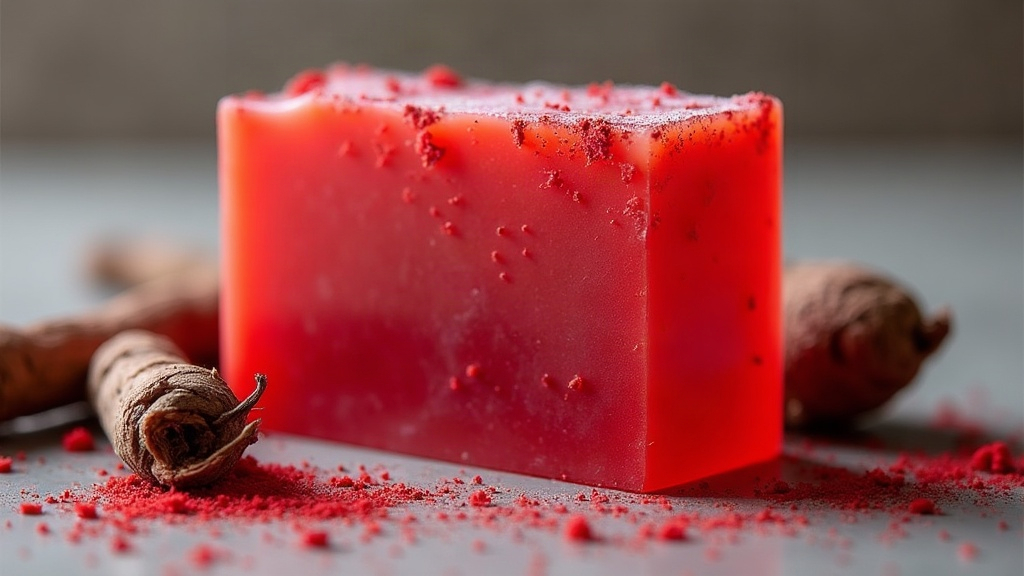
Finding a true, vibrant red in natural soap making is notoriously tricky. Plenty of plant-based colorants look red enough sitting in their jar, then hit the harsh, highly alkaline soap batter and turn into something closer to muddy brown, pale pink, or a dull purplish-grey. If you’re tired of settling for washed-out shades, madder root powder (Rubia tinctorum) might be the fix you’ve been looking for. Get the prep right, pair it with the correct soaping technique, and madder root can push your bars into genuinely deep brick-to-vibrant red territory.
Below is how to actually pull that off in your cold process batches.
What is Madder Root Powder?
Madder root has been used for centuries to dye textiles and cosmetics, long before synthetic dyes existed. The roots contain compounds called alizarin and purpurin, natural pigments that produce rich reds and oranges. What makes it special for soap makers specifically is that it’s one of the only botanicals that survives saponification without washing out completely. Most reds just can’t take the heat (literally) and the high pH. Madder can.
The Three Methods of Incorporation
How you work madder root into your batter changes both the color and the texture of your finished bar. There are really three routes to take here.
1. The Oil Infusion Method (Best for Smooth, Solid Reds)
If you want a clean, uniform color with none of that gritty, botanical texture, infuse your liquid oils first.
- Warm Infusion: Use roughly 1 to 2 tablespoons of madder root powder per pound of liquid oil (olive or sweet almond oil both work well). Combine in a heat-safe container, then set it in a slow cooker water bath or double boiler on low for 2 to 4 hours. Strain through cheesecloth or a coffee filter before using.
- Cold Infusion: Stir the powder into your liquid oils and tuck the container somewhere cool and dark for 4 to 6 weeks, shaking it daily. Strain before use. Slower, but it works just as well if you plan ahead.
2. Adding to Lye Water (For Deep, Moody Tones)
Stirring madder root powder straight into hot lye water forces an immediate, aggressive extraction of pigment. The heat combined with that extreme pH tends to pull deeper, more burgundy tones, sometimes with a faint purplish edge. Add about 1 teaspoon of powder per pound of oils once your lye water has cooled slightly, let it steep for a few minutes, then strain before combining with your oils.
3. Adding at Trace (For a Speckled, Rustic Look)
Don’t mind a faint exfoliating grit and a more rustic, handmade look? Add the dry powder directly at light trace. Just mix a small amount with a bit of lightweight oil first to make a slurry. Skip that step and you’ll end up with dry red clumps floating through your bars, which nobody wants to find mid-shower.
The Secret to Vibrancy: Forcing Gel Phase
Here’s the part most people miss: even a heavy concentration of madder root will often cure to a dusty pink or muted mauve if your soap never goes through gel phase. Gel phase is genuinely the key that unlocks the red.
During gel, the soap heats up substantially, the center turns translucent and jelly-like, then it cools and hardens back down. That heat essentially “cooks” the pigment, intensifying it dramatically. Skip gel and you’re left with a flatter, paler version of the color you were hoping for.
- How to force gel phase: Pour your soap, then insulate the mold heavily, wrapping it in thick towels or blankets. Want more heat? Set the mold on a heating pad on low or medium for the first 30 to 45 minutes, or place it in an oven pre-warmed to 170°F (76°C) and then switched off.
Preventing Fading Over Time
Like most natural colorants, madder root doesn’t love light. It’s more stable than many botanicals, sure, but leave your bars under direct sun or harsh fluorescent lighting for weeks and that rich red will slowly drift back toward pale pink or beige.
- Cure in the dark: Keep your soap on a well-ventilated rack, in a dark room or closet, not by a sunny window.
- Packaging: If the soap will sit around for months before it’s used, opaque packaging, cigar bands covering most of the bar, or plain boxes will help preserve that color.
Conclusion
Getting a true, vibrant red in cold process soap takes a bit of patience and a working understanding of how botanicals behave once they hit lye. Go with a strong oil infusion, make sure your soap fully gels, and madder root powder can give you a genuinely striking natural crimson. Play around with different usage rates and infusion times until you land on the exact red that feels like yours.