Parasoy Blend Ratio: Best Soy-to-Paraffin Mix for Hot Throw
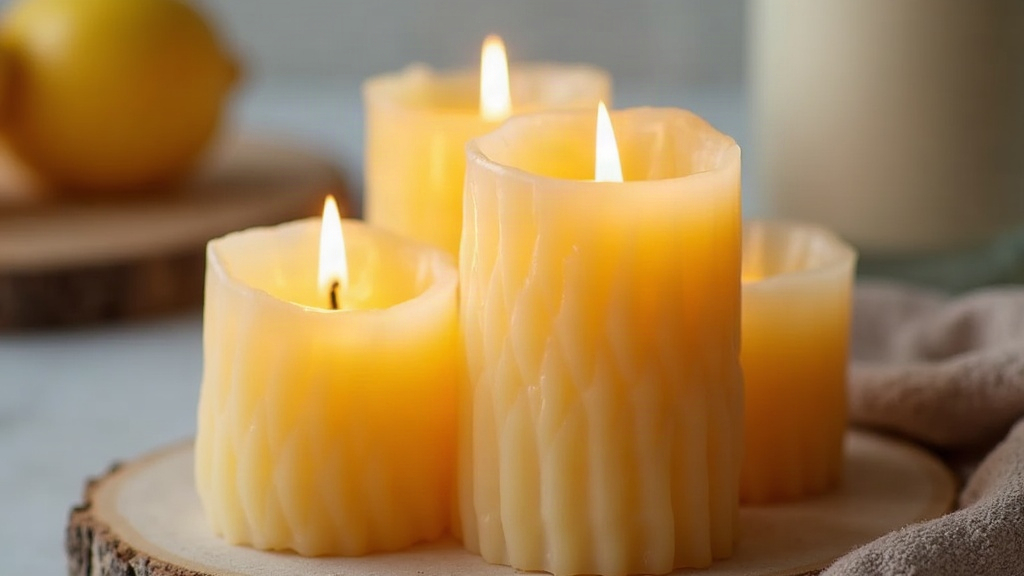
Parasoy wax, a blend of soybean wax and paraffin, borrows soy’s clean-burning reputation while still giving you paraffin’s stronger fragrance throw. Most container candle makers land somewhere between 60/40 and 70/30 (paraffin to soy), though the right split really comes down to your fragrance load, wick choice, and the finish you’re after. Dial this ratio in correctly and you’ve found the single biggest lever for maximizing hot throw without wrecking burn quality.
Why Blend Soy and Paraffin at All?
Each wax brings something different to the table, and honestly, neither one is perfect on its own:
- Soy wax burns cleaner, melts at a lower temperature, and checks the “natural” marketing box customers love. The catch? It binds fragrance oil so tightly that hot throw (what you actually smell while the candle burns) often ends up weak.
- Paraffin wax carries fragrance beautifully and releases scent into the air with little effort. But it burns hotter, tends to soot more, and doesn’t carry the eco-friendly appeal that’s become a selling point for a lot of brands.
Blend the two, and you get to borrow paraffin’s throw power while keeping most of soy’s smoother burn and that partial “plant-based” story for your packaging.
The Ratio Range: What Actually Works
Most commercial parasoy blends fall into one of three buckets.
1. Soy-Dominant (70-80% Soy / 20-30% Paraffin)
- Keeps a strong “soy wax” claim on the label.
- Bumps hot throw up a bit compared to 100% soy, but don’t expect miracles.
- Works for brands that care more about clean-label positioning than squeezing out every last bit of scent.
2. Balanced Blend (50/50 to 60/40 Soy/Paraffin)
- You’ll notice a real jump in hot throw over pure soy here.
- Finish comes out a touch firmer and glossier.
- A solid middle ground, and probably where most boutique candle makers end up settling.
3. Paraffin-Dominant (60-70% Paraffin / 30-40% Soy)
- This is where hot throw peaks, and it’s the range most fragrance houses point to when scent performance is non-negotiable.
- You lose the “100% soy” label, but it still burns cleaner than straight paraffin.
- Best suited to heavily fragranced candles (think 10%+ fragrance load), like those cinnamon-and-clove fall blends or holiday scents that need to fill a room.
If your biggest customer complaint is “I can’t smell it when it’s lit,” push your blend toward the paraffin-heavy end. If people rave about the scent but ask for something greener, lean soy-dominant and make up the difference with a stronger fragrance oil or a better wick.
Factors That Affect Your Final Ratio
Fragrance Load
Higher fragrance percentages (9-12%) tend to perform better with more paraffin in the mix, since paraffin’s crystal structure holds and releases oil more efficiently as it burns. Load up a soy-heavy blend past 9% and you risk sweating or separation.
Melt Point Compatibility
Soy wax typically melts around 115-125°F, while paraffin container wax runs 125-145°F. Mix waxes with mismatched melt points and you haven’t tested, and you’re asking for frosting, wet spots, or poor adhesion. Source waxes that are formulated to blend together, or run small test batches before committing to a full production run.
Wick Selection
Change the ratio, and you change how hot the wax pool burns. Shift toward more paraffin and you’ll often need a slightly larger wick to keep a full melt pool and vaporize the fragrance oil properly. Any time you adjust the ratio by more than 10%, retest your wick series. Skip this step and you’ll end up guessing why last month’s “perfect” wick suddenly tunnels.
Container Type
Narrow-neck glass jars trap less heat, so they need a stronger hot throw ratio (more paraffin) to push scent out past the opening. Wide-mouth tins, on the other hand, can get away with a more soy-dominant blend and still perform well.
How to Test Your Ratio
- Start with a baseline: burn a pure soy and a pure paraffin candle with the same fragrance, side by side.
- Build test batches at 70/30, 60/40, and 50/50 (soy/paraffin).
- Burn each for a full cycle (3-4 hours, letting it cool between sessions) and check hot throw at the 1-hour mark, the 2-hour mark, and on a cold start, all in the same size room.
- Score soot, tunneling, frosting, and scent strength on a simple 1-5 scale. Write it down. Memory lies.
- Go with the lowest paraffin ratio that still hits your hot throw target. That’s the sweet spot balancing cost, clean-burn appeal, and actual performance.
Common Mistakes to Avoid
- Over-fragrancing instead of adjusting the ratio. Dumping extra fragrance oil into a soy-heavy blend usually just causes sweating or poor adhesion, not stronger throw.
- Skipping wick retests. The same wick that worked great at 70/30 soy won’t necessarily behave the same at 50/50.
- Rushing cure time. Parasoy blends generally need 1-2 weeks for the fragrance oil to fully bind. Test on day three and you’ll underestimate your hot throw every time.
Conclusion
There’s no magic “perfect” parasoy ratio sitting out there waiting to be discovered. It depends on your fragrance goals, your container style, and how you want to position the brand. As a starting point, try a 60/40 paraffin-to-soy blend if hot throw is the priority, or 70/30 soy-to-paraffin if you’d rather keep a strong natural-wax claim on the label. Test systematically across ratios, wicks, and cure times, and you’ll land on the exact formula that delivers the scent performance your specific candle line needs.